Trees are one of the most valuable natural assets on any residential or commercial property. They provide shade, improve air quality, enhance curb appeal, support local ecosystems, and contribute significantly to overall property value. However, trees are living organisms that require ongoing care to remain healthy and structurally sound. One of the most important aspects of that care is regular tree trimming.
Many property owners delay trimming until a tree becomes visibly overgrown or hazardous. Unfortunately, waiting too long can result in weakened branches, disease spread, storm damage, or even premature tree removal. Regular tree trimming is a proactive practice that supports long-term tree health, safety, and sustainability.
This article explores why regular tree trimming is essential for healthy trees, how it works from a biological perspective, and what property owners should know to make informed decisions.
Understanding Tree Trimming and Its Purpose
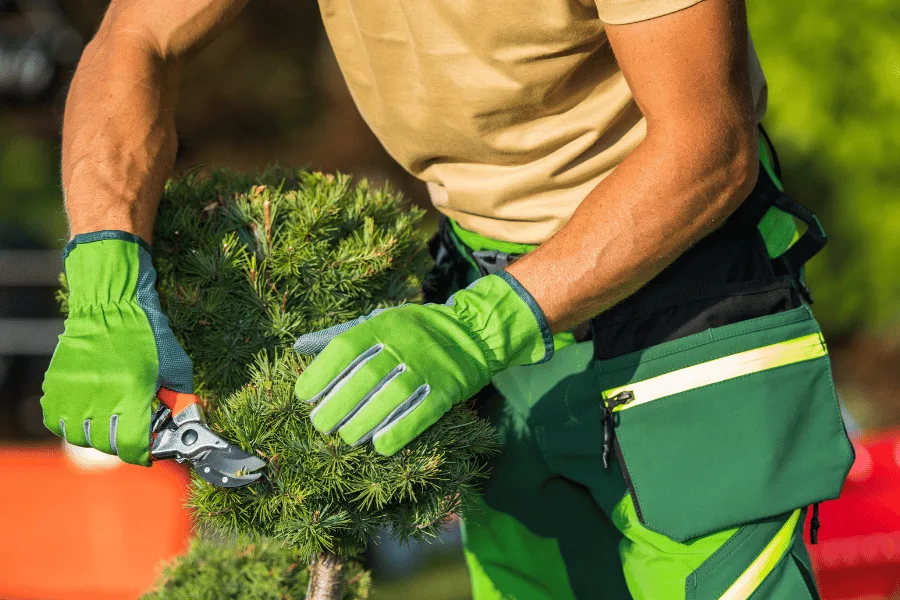
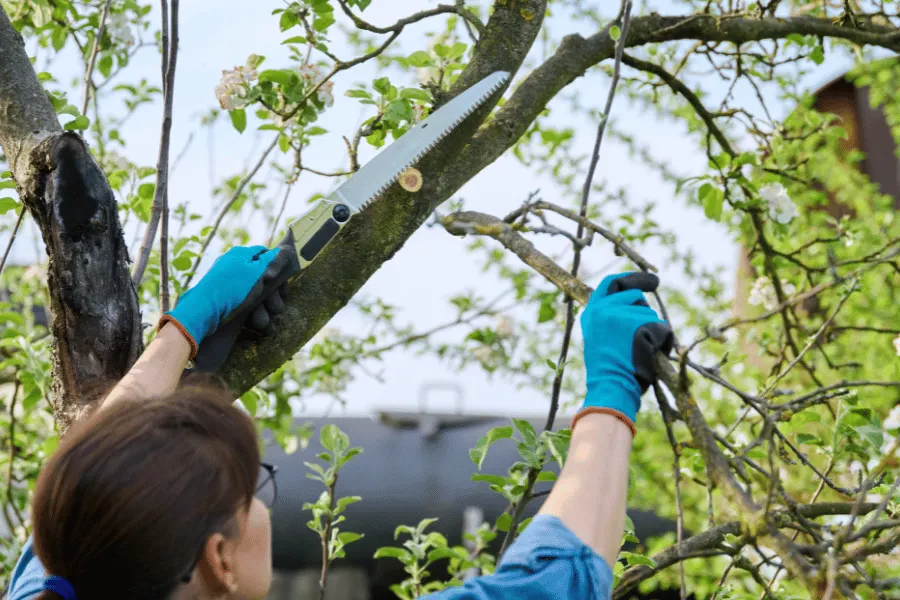
Tree trimming involves selectively removing specific branches to improve a tree’s structure, health, and appearance. While often confused with pruning, trimming typically focuses on maintaining shape, reducing overgrowth, and preventing safety hazards, while pruning is more health-focused.
Both practices work together to ensure a tree develops properly and remains resilient throughout its lifespan.
Key goals of tree trimming include:
- Removing dead, damaged, or weak branches
- Preventing overcrowding within the canopy
- Encouraging balanced growth
- Reducing risk to people and property
The Biology of Tree Growth and Why Trimming Matters
Trees rely on their leaves to produce energy through photosynthesis. That energy is distributed throughout the tree to support growth, repair, and defense mechanisms. When a tree has dead, diseased, or overcrowded branches, valuable energy is wasted on areas that no longer contribute to its health.
Regular trimming improves how energy is allocated by:
- Eliminating non-productive branches
- Increasing sunlight penetration to healthy foliage
- Improving air circulation within the canopy
- Supporting natural wound-sealing processes
Proper trimming aligns with how trees naturally grow and heal, allowing them to respond positively rather than becoming stressed or vulnerable.
How Regular Tree Trimming Improves Tree Health
-
Prevents Disease and Decay
Dead or diseased branches are entry points for fungi, bacteria, and insects. If left untreated, infections can spread to the trunk or root system, often leading to irreversible damage.
By removing affected limbs early, trimming:
- Stops disease progression
- Reduces pest habitats
- Improves overall tree immunity
Healthy trees are far more resistant to environmental stress and seasonal changes.
-
Encourages Strong, Stable Structure
Trees with poor branch structure are more likely to fail during storms. Weak branch unions, crossing limbs, or unbalanced growth patterns create stress points that can break under pressure.
Regular trimming helps:
- Develop strong branch spacing
- Reduce weight on overextended limbs
- Improve balance and symmetry
| Structural Issue | Benefit of Trimming |
| Crossing branches | Reduces friction and decay |
| Heavy limbs | Lowers breakage risk |
| Dense canopy | Improves wind resistance |
-
Enhances Sunlight and Airflow
Dense canopies block sunlight and trap moisture, creating ideal conditions for mold, mildew, and pests. Trimming opens the canopy, allowing light and air to reach inner branches and surrounding plants.
Benefits include:
- Healthier leaf development
- Faster drying after rain
- Reduced fungal growth
This is particularly important in humid or storm-prone regions.
Safety Benefits of Regular Tree Trimming
One of the most critical reasons for trimming trees is safety. Overgrown or weakened branches pose serious risks to people, vehicles, buildings, and utility lines.
Common hazards caused by untrimmed trees:
- Falling limbs during storms
- Branches rubbing against roofs or siding
- Obstructed road or driveway visibility
- Interference with power lines
Routine trimming significantly reduces these risks and helps prevent costly property damage or injuries.
Tree Trimming and Storm Damage Prevention
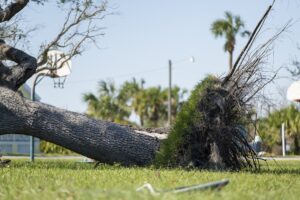
Storms place extreme stress on trees, especially those with dense canopies or structural weaknesses. High winds, heavy rain, ice, and snow can cause branches to snap or entire trees to uproot.
Trimming improves storm resilience by:
- Reducing wind resistance
- Removing weak or dead limbs
- Improving overall weight distribution
Well-maintained trees are far more likely to withstand severe weather without failing.
How Often Should Trees Be Trimmed?
The ideal trimming frequency depends on the tree’s species, age, growth rate, and environment.
General trimming guidelines:
| Tree Type | Recommended Frequency |
| Young trees | Every 1–2 years |
| Mature trees | Every 3–5 years |
| Fast-growing species | More frequently |
| Storm-damaged trees | As needed |
Regular inspections help determine when trimming is necessary before problems develop.
Best Time of Year to Trim Trees
Timing plays a crucial role in effective tree trimming. Most trees benefit from trimming during their dormant season, when growth slows and stress is minimized.
Seasonal considerations:
- Late winter: Ideal for most trees; promotes strong spring growth
- Spring: Light trimming only; avoid heavy cuts
- Summer: Corrective trimming and hazard removal
- Fall: Generally avoided due to increased disease risk
Some species have specific requirements, making professional guidance valuable.
Tree Trimming for Young vs. Mature Trees
Young Trees
Early trimming helps establish a strong framework that supports healthy growth for decades.
Benefits include:
- Proper branch spacing
- Reduced future maintenance
- Lower risk of structural failure
Mature Trees
Older trees require more careful trimming to preserve stability and health without over-stress.
Goals include:
- Removing deadwood
- Reducing canopy weight
- Managing age-related weaknesses
Environmental Benefits of Proper Tree Trimming
Healthy trees provide significant environmental advantages, and trimming helps maintain those benefits.
Properly trimmed trees contribute to:
- Improved air quality
- Carbon absorption
- Reduced urban heat
- Wildlife habitat support
Trimming ensures trees remain functional ecosystem contributors rather than liabilities.
Professional Tree Trimming vs. DIY Efforts
While small branches may seem manageable, improper trimming techniques can permanently damage trees or create serious safety hazards.
| DIY Trimming | Professional Trimming |
| Limited tools | Specialized equipment |
| Higher injury risk | Strict safety protocols |
| Guesswork | Arborist expertise |
| Potential tree damage | Species-specific care |
Professionals understand tree biology, proper cutting techniques, and safety standards, making them the preferred choice for most trimming needs.
Common Tree Trimming Mistakes to Avoid
Mistakes during trimming can stress trees and shorten their lifespan.
Avoid:
- Over-trimming or topping
- Cutting too close to the trunk
- Leaving jagged or improper cuts
- Trimming at the wrong time of year
Correct techniques protect the tree’s natural defense systems and encourage healthy regrowth.
Signs Your Tree Needs Trimming
Property owners should watch for early warning signs, including:
- Dead or hanging branches
- Cracks or splits in limbs
- Excessive canopy density
- Branches touching structures
- Uneven or leaning growth
Addressing these signs promptly prevents more serious issues later.
The Role of Tree Trimming in Protecting Nearby Plants and Landscaping
Tree trimming doesn’t just benefit the tree itself, it also plays an important role in maintaining the health of surrounding plants, lawns, and landscaping features. Overgrown trees can block sunlight, monopolize soil nutrients, and create excessive shade or moisture conditions that harm nearby vegetation.
When trees are regularly trimmed:
- Sunlight reaches grass, shrubs, and garden plants more evenly
- Soil moisture levels remain balanced
- Competing root and canopy dominance is reduced
- Landscaping designs remain visible and functional
Excessive shade can cause lawns to thin, flower beds to fail, and ornamental plants to become weak or leggy. By managing canopy density through trimming, property owners create a healthier, more balanced growing environment across their entire landscape.
Additionally, trimmed trees reduce leaf litter buildup and prevent fallen branches from damaging flower beds, irrigation systems, and hardscaping elements such as walkways and patios.
How Regular Tree Trimming Saves Money Over Time
Many property owners view tree trimming as an optional expense, but in reality, it is a cost-saving investment. Neglecting regular trimming often leads to larger, more expensive problems that could have been avoided with routine maintenance.
Long-term financial benefits of tree trimming include:
- Reduced emergency tree removal costs
- Lower risk of storm-related property damage
- Fewer pest and disease treatment expenses
- Extended lifespan of valuable mature trees
| Scenario | Cost Without Trimming | Cost With Regular Trimming |
| Storm damage repair | High | Low |
| Emergency tree removal | Very high | Often avoided |
| Disease treatment | Repeated | Minimal |
| Property damage claims | Possible | Rare |
Proactive trimming reduces liability risks and prevents sudden failures that require urgent, costly intervention. Over time, maintaining trees through regular trimming is significantly more economical than dealing with the consequences of neglect.
Frequently Asked Questions
How often should trees be trimmed?
Most trees need trimming every 1–3 years depending on species and growth rate.
Does trimming help tree growth?
Yes, it redirects nutrients to healthy branches and improves structural balance.
Can trimming prevent storm damage?
Proper trimming reduces wind resistance and limb failure during storms.
Is tree trimming environmentally friendly?
Yes, healthy trees provide better air quality, shade, and ecological benefits.
Should trimming be done by professionals?
For safety and tree health, professional arborists are strongly recommended.
Conclusion
Regular tree trimming is a vital component of responsible tree care, and professionals like Springfield Tree Removal Pros understand that it goes far beyond aesthetics. Trimming directly impacts a tree’s health, safety, structural integrity, and environmental value. By removing dead or weak branches, improving airflow and sunlight exposure, and preventing hazards before they develop, trimming helps trees thrive for years to come.
Whether maintaining young saplings or preserving mature trees, consistent trimming ensures that trees remain assets rather than risks. Investing in regular, properly timed tree trimming is an investment in long-term tree health, property protection, and a safer, more beautiful landscape.