Trees add beauty, shade, and environmental value to any property. They improve air quality, increase property appeal, and create a pleasant outdoor atmosphere. However, trees can sometimes develop serious problems that make them dangerous rather than beneficial. When a tree becomes unstable, diseased, or structurally damaged, it can pose a significant risk to nearby homes, vehicles, power lines, and people. In such cases, emergency tree removal becomes necessary to prevent accidents and property damage.
Many homeowners may not immediately recognize when a tree has become hazardous. Tree problems often develop gradually, but certain warning signs indicate that immediate professional attention is required. Ignoring these issues can result in falling branches, uprooted trees, or severe structural damage during storms or strong winds. Understanding the common tree problems that require emergency removal helps property owners take action before the situation becomes dangerous.
Warning Signs That a Tree Needs Emergency Removal
Severe Storm Damage
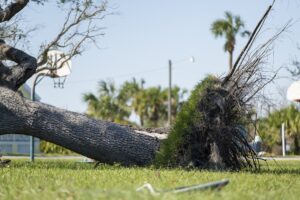
Storms are one of the most common causes of emergency tree removal. Heavy rain, strong winds, lightning, and snow can significantly weaken or damage trees. During severe weather, branches may break off, trunks may crack, or the entire tree may lean dangerously.
Sometimes a tree may appear stable after a storm, but internal structural damage can make it unsafe. Large broken branches hanging loosely in the canopy can fall at any moment, creating a serious hazard for anyone nearby. Additionally, trees that are partially uprooted or leaning heavily after a storm may collapse without warning.
Emergency tree removal services are often required when a tree has fallen on structures, blocked driveways, or damaged power lines. Professional arborists have the proper equipment and expertise to safely remove storm-damaged trees and prevent further harm.
Dead or Dying Trees
Dead trees are among the most dangerous hazards on residential or commercial properties. When a tree dies, its structure becomes weak and brittle over time. The wood loses moisture and strength, making it more likely to break or collapse.
Several signs indicate that a tree may be dead or dying. These include missing bark, dry and brittle branches, lack of leaves during the growing season, and fungal growth near the base of the trunk. A dying tree may also show signs of internal decay or hollow sections.
Because dead trees are unstable, they can fall even without strong winds or storms. In many cases, emergency removal is necessary to prevent sudden collapse. Removing a dead tree promptly helps protect nearby structures and ensures the safety of people in the area.
Large Cracks in the Trunk
A healthy tree trunk provides the structural support needed to hold the entire tree upright. However, when deep cracks or splits appear in the trunk, the tree’s stability can be compromised.
Large cracks often develop due to severe weather, lightning strikes, disease, or structural stress. These cracks weaken the trunk and increase the risk of the tree splitting apart. In some cases, the tree may break into two sections or collapse completely.
If a tree trunk shows major cracks, it is important to contact a professional tree service immediately. Arborists can assess the severity of the damage and determine whether emergency removal is necessary. Ignoring trunk damage can result in sudden tree failure, especially during storms.
Root Damage and Uprooting
Tree roots play a vital role in anchoring the tree securely in the soil. When the root system becomes damaged or weakened, the tree can lose its stability and begin to lean or shift.
Root damage can occur due to soil erosion, construction activities, flooding, or disease. When roots are compromised, the tree may not receive enough nutrients and support to remain upright. In some cases, the soil around the base of the tree may appear lifted or cracked, indicating that the tree is starting to uproot.
A tree that is leaning significantly or showing exposed roots can become extremely dangerous. It may fall suddenly, especially during heavy rain or strong winds. Emergency removal is often required to eliminate the risk before the tree collapses.
Pest Infestation and Severe Disease
Trees are vulnerable to various pests and diseases that can weaken their internal structure. Insects such as termites, beetles, and borers often tunnel into tree trunks and branches, causing internal decay.
Similarly, fungal infections and diseases can spread throughout the tree, destroying its tissues and reducing its strength. Over time, a diseased tree may develop hollow areas, weak limbs, or rotting sections.
Common signs of pest infestation or disease include unusual holes in the bark, sawdust-like material around the base, discolored leaves, fungal growth, and excessive leaf loss. When a tree becomes severely infected, it may no longer be structurally sound.
If the damage is extensive and the tree cannot recover, emergency removal may be the safest solution. Removing the infected tree also helps prevent the spread of disease or pests to nearby healthy trees.
Trees Leaning Toward Structures
A tree that suddenly begins leaning toward a home, garage, or other structure should never be ignored. Leaning trees often indicate serious structural instability or root damage.
While some trees naturally grow at slight angles, a sudden lean or increasing tilt is a warning sign. This can occur due to soil movement, root decay, or storm damage.
Leaning trees place nearby structures at significant risk. If the tree falls, it can cause major property damage and potentially injure people. Professional tree experts can evaluate the severity of the lean and determine whether emergency removal is required.
In many cases, removing the tree promptly prevents costly repairs and ensures the safety of the surrounding area.
Hanging or Broken Branches
Broken branches that remain suspended in the tree canopy are known as “hangers.” These branches can fall at any time, especially during windy conditions.
Large hanging branches pose a serious danger to people walking underneath, as well as to vehicles, roofs, and fences. Even smaller branches can cause injury or property damage if they fall unexpectedly.
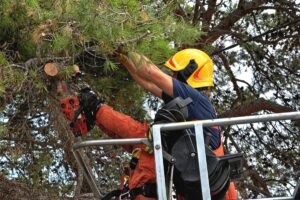
Emergency tree services are often required to safely remove these hazardous limbs. Professionals use specialized equipment to access the tree and remove damaged branches without causing further harm.
Regular tree inspections and pruning can help prevent the formation of dangerous hanging branches in the future.
Trees Interfering with Power Lines
Trees growing too close to power lines can quickly become an emergency situation. Branches that touch or fall onto power lines can disrupt electrical service, create fire hazards, and pose serious safety risks.
During storms or strong winds, overgrown branches may break and fall onto nearby power lines. This can lead to electrical outages, sparks, or dangerous live wires on the ground.
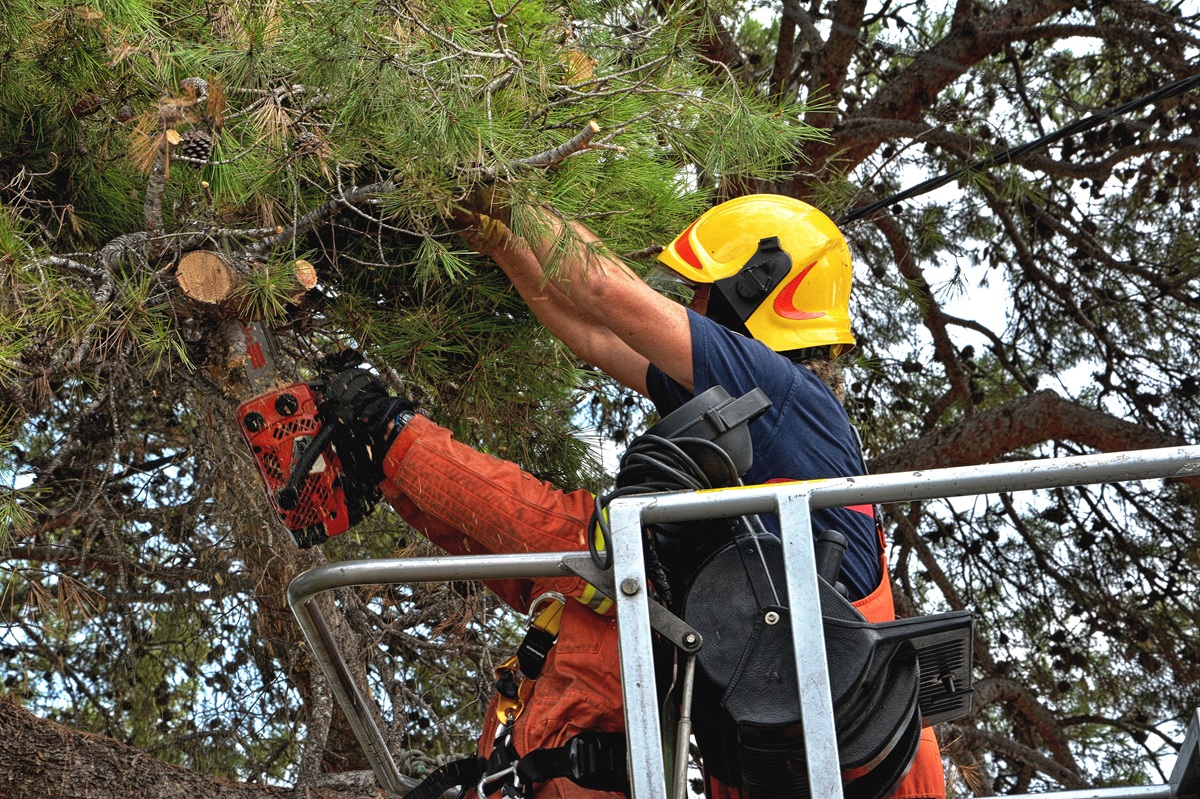
When a tree is interfering with power lines, emergency removal or trimming may be required. Only trained professionals with proper safety equipment should handle these situations, as working near power lines can be extremely dangerous.
Why Professional Emergency Tree Removal Is Important
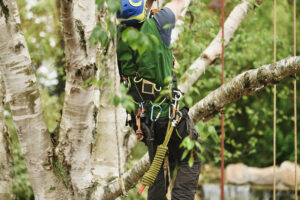
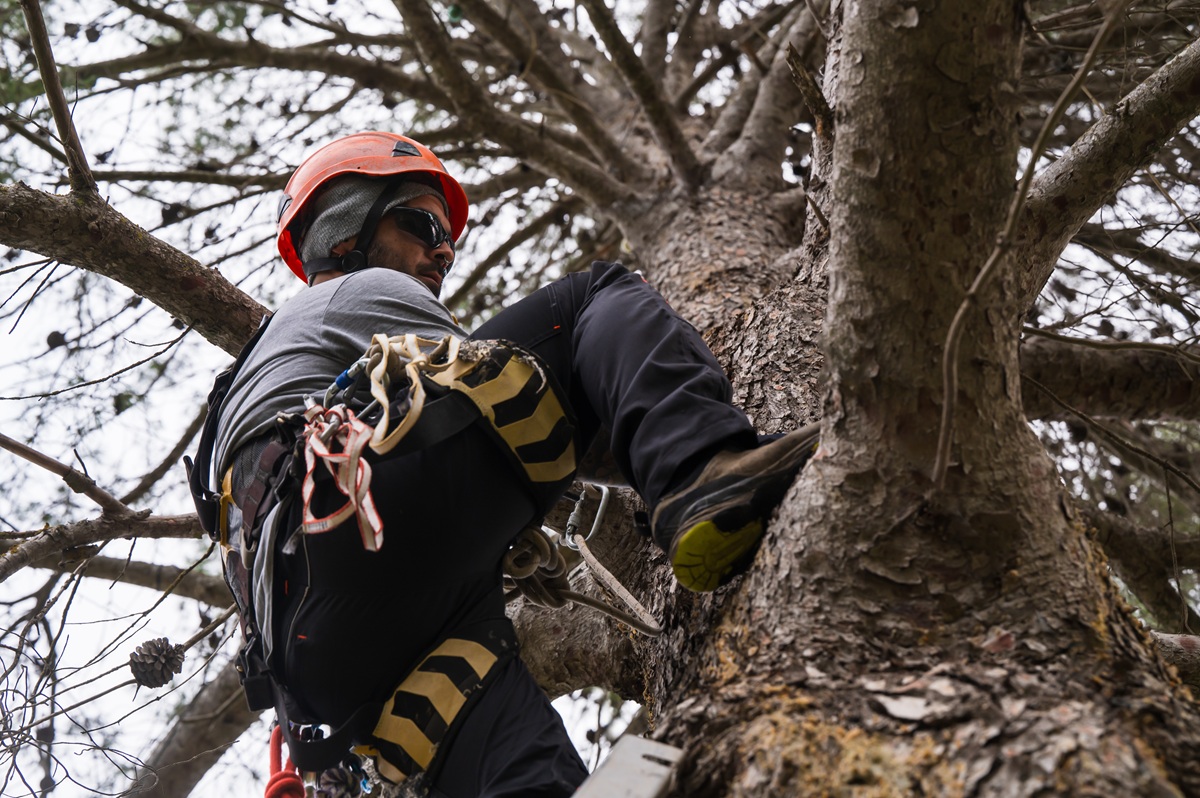
Emergency tree removal is a complex and potentially dangerous task. Removing large or damaged trees requires specialized equipment, technical knowledge, and strict safety procedures. Attempting to remove a hazardous tree without professional assistance can lead to serious injuries or property damage.
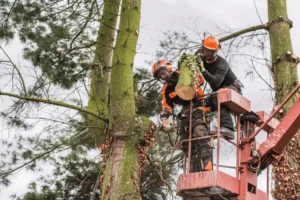
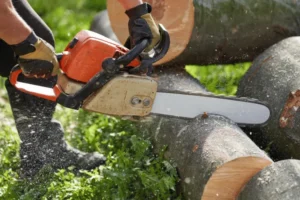
Professional tree removal experts carefully assess the situation before taking action. They evaluate the tree’s structure, surrounding obstacles, and potential risks. Using advanced tools such as cranes, chainsaws, and rigging systems, they safely remove the tree while minimizing damage to the surrounding area.
Additionally, experienced arborists follow local regulations and environmental guidelines when performing tree removal. Their expertise ensures that the process is carried out efficiently and safely.
Preventing Emergency Tree Situations
Although some tree emergencies are unavoidable, many problems can be prevented through regular maintenance and inspections. Routine tree care helps identify potential hazards before they become serious issues.
Property owners should schedule periodic tree inspections with professional arborists. These inspections can detect early signs of disease, structural damage, or pest infestation. Regular pruning also helps maintain healthy growth and removes weak or damaged branches.
Maintaining proper soil conditions, watering practices, and root protection can also contribute to the long-term stability of trees.
Conclusion
Trees provide numerous benefits, but they can become dangerous when structural problems, disease, or severe damage occurs. Recognizing the warning signs of hazardous trees is essential for protecting property and ensuring safety.
Storm damage, dead trees, trunk cracks, root failure, pest infestations, and leaning trees are some of the most common issues that require emergency tree removal. Addressing these problems quickly helps prevent accidents, property damage, and costly repairs.
By working with professional tree removal experts and maintaining regular tree care, property owners can reduce risks and keep their landscapes safe and healthy. When a tree shows signs of serious damage or instability, immediate action is the best way to protect both people and property.