Trees are an essential part of residential and commercial landscapes. They provide shade, enhance curb appeal, support local ecosystems, and contribute to environmental health. However, while trees are generally strong and resilient, they are not immune to damage. Storms, disease, structural weaknesses, soil instability, and aging can turn a healthy tree into a serious safety hazard without much warning.
This is where emergency tree service becomes a critical component of a complete and responsible tree care plan. While routine maintenance focuses on long-term tree health, emergency services address immediate risks that can threaten people, property, and surrounding infrastructure. A well-rounded tree care strategy must account for both prevention and rapid response.
This article explains why emergency tree service is so important, how it fits into comprehensive tree care, and what property owners should understand to protect their landscape effectively.
Understanding Emergency Tree Service
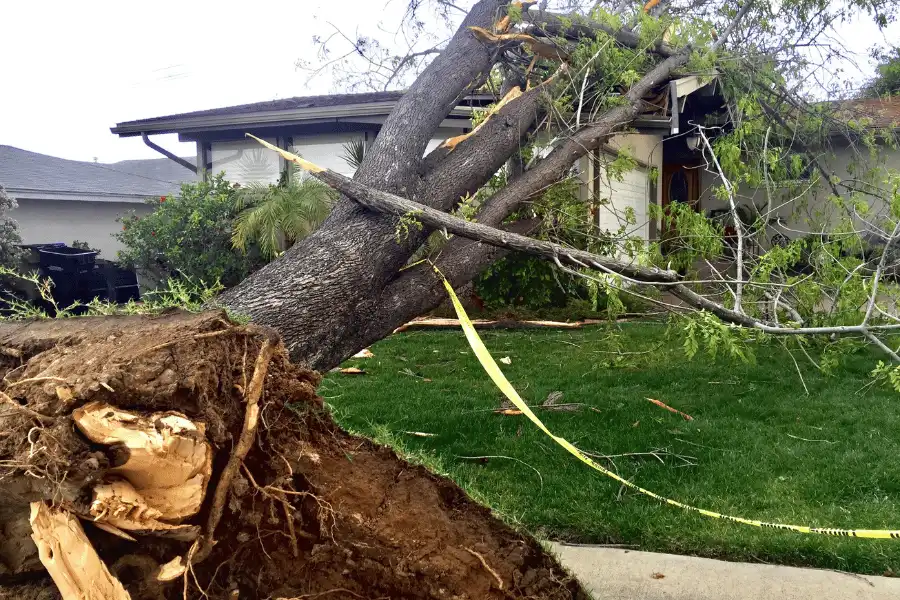
Emergency tree service refers to professional tree care provided in situations where a tree poses an immediate danger. These situations often arise suddenly and require fast action to reduce risk and prevent further damage.
Common emergency scenarios include:
- Trees or large branches falling after storms
- Trees leaning dangerously due to root failure
- Broken limbs hanging over homes, roads, or walkways
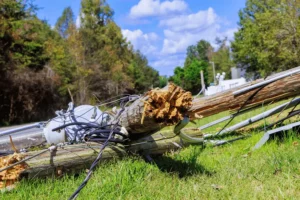
- Trees contacting power lines or structures
- Severely split or cracked trunks
- Trees uprooted by saturated soil or high winds
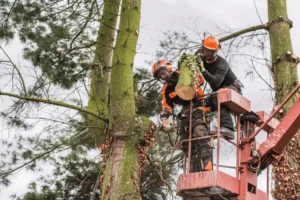
Unlike routine pruning or scheduled removals, emergency tree services are typically available 24/7 and require specialized equipment and training. Certified arborists assess the situation quickly and determine the safest way to stabilize or remove the tree.
Why Emergency Tree Service Is Essential in a Tree Care Plan
A complete tree care plan is not just about keeping trees healthy, it is also about managing risk. Emergency tree service plays a vital role in addressing unpredictable events that proactive care alone cannot prevent.
Protecting Human Safety
Safety is the most important reason emergency tree services exist. A compromised tree can fail without warning, especially after storms or prolonged weather stress. Falling trees and limbs can cause severe injuries or even fatalities.
Emergency tree professionals are trained to:
- Identify unstable trees and branches
- Secure dangerous areas
- Use proper cutting techniques to prevent uncontrolled falls
- Work safely around homes, vehicles, and people
By responding quickly, emergency services significantly reduce the chance of accidents involving residents, visitors, pedestrians, or pets.
Preventing Property Damage
Trees that fall or break can cause extensive damage to buildings and infrastructure. Roofs, windows, fences, vehicles, sheds, and landscaping features are all vulnerable during a tree failure.
Emergency tree service helps:
- Remove fallen trees from structures
- Prevent partially damaged trees from causing additional harm
- Protect nearby buildings during storms or high winds
- Reduce cleanup costs by addressing problems early
| Hazard Scenario | Potential Damage | Role of Emergency Tree Service |
| Fallen tree on home | Roof collapse, structural damage | Immediate removal and stabilization |
| Broken limbs over vehicles | Crushed cars, broken glass | Controlled limb removal |
| Trees near power lines | Electrical outages, fire risk | Safe coordination and removal |
| Leaning trees | Gradual or sudden collapse | Risk assessment and action |
Addressing these threats quickly can save thousands of dollars in repair costs.
Storm Response and Severe Weather Readiness
Storms are the most common cause of tree emergencies. High winds, heavy rain, lightning, ice, and snow all place enormous stress on trees. Even healthy trees can fail under extreme conditions.
After a storm, emergency tree service becomes essential for:
- Clearing blocked driveways and roads
- Removing fallen trees from homes
- Identifying trees weakened by wind or lightning
- Preventing delayed failures from compromised roots or trunks
Storm-damaged trees may appear stable but can collapse days or weeks later if structural damage goes unnoticed. Emergency inspections help identify hidden risks before they become disasters.
Supporting Insurance and Liability Protection
When tree damage affects property, insurance claims often follow. Insurance providers typically require documentation proving that the damage resulted from a sudden, unavoidable event.
Professional emergency tree services can provide:
- Written assessments from certified arborists
- Photographic documentation of damage
- Detailed invoices and service reports
This information helps property owners:
- Validate insurance claims
- Demonstrate due diligence
- Reduce disputes over liability
- Protect themselves from claims if a tree damages neighboring property
Emergency tree service is not just about removal, it also helps protect financial and legal interests.
Identifying Hidden Tree Risks
Not all tree hazards are obvious. Internal decay, hollow trunks, root plate failure, or soil erosion can weaken a tree without visible signs. Emergency tree professionals are trained to detect these issues.
They assess:
- Root stability and soil conditions
- Structural integrity of the trunk
- Load distribution in major limbs
- Signs of disease, rot, or pest damage
Early identification of these hidden problems allows arborists to recommend corrective actions such as cabling, bracing, pruning, or removal before an emergency occurs.
How Emergency Tree Service Complements Routine Tree Care
Emergency services are reactive by nature, but they work best when paired with proactive tree care.
Preventive Tree Maintenance
Regular tree care reduces the likelihood of emergencies. Preventive services include:
- Scheduled inspections by certified arborists
- Structural pruning to remove weak limbs
- Disease and pest monitoring
- Soil management and root health evaluations
Healthy trees are more resilient to storms and environmental stress, reducing the risk of sudden failure.
Emergency Preparedness Planning
A smart tree care plan includes preparation for emergencies. Property owners should:
- Identify a reliable emergency tree service provider in advance
- Keep contact information easily accessible
- Schedule inspections before storm seasons
- Understand which trees pose higher risk
Preparedness ensures faster response times and minimizes stress during emergencies.
Long-Term Landscape Protection
Emergency tree service also helps preserve the overall landscape. Removing dangerous trees prevents damage to nearby healthy trees, turf, gardens, and structures. In some cases, emergency arborists can stabilize a tree instead of removing it, preserving its value and ecological benefits.
The Emergency Tree Service Process
Understanding what happens during an emergency response helps property owners know what to expect.
- Initial Evaluation
Arborists assess the hazard, identify risks, and determine the safest approach. - Site Safety Setup
Work zones are established to protect people, structures, and utilities. - Hazard Mitigation
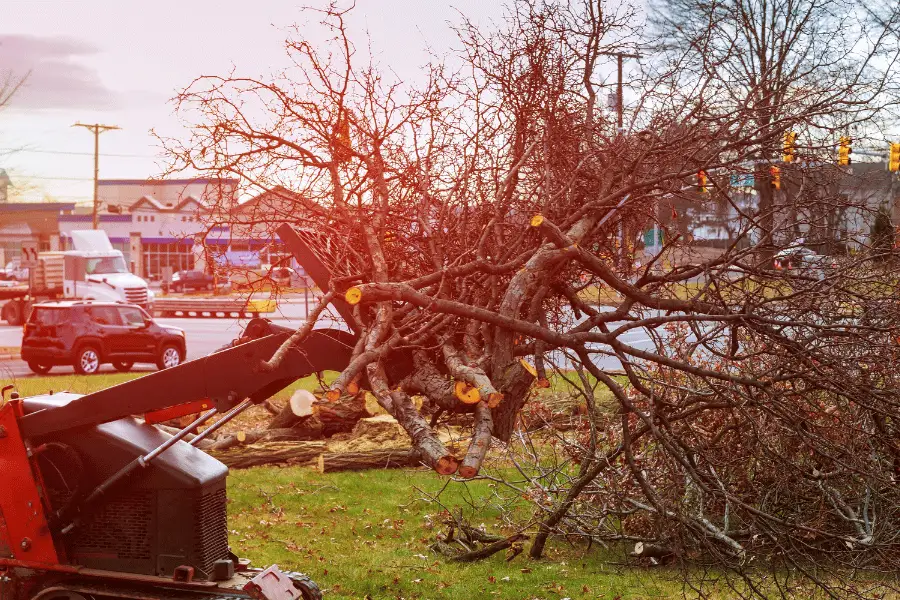
Dangerous limbs or trees are removed or stabilized using specialized equipment. - Debris Removal
Fallen branches and wood are cleared from the property. - Post-Emergency Recommendations
Arborists may suggest follow-up pruning, inspections, or removals.
This structured approach ensures safety, efficiency, and minimal disruption.
Choosing a Qualified Emergency Tree Service Provider
Not all tree companies are equipped for emergencies. Choosing the right provider is essential.
Look for:
- 24/7 emergency availability
- Licensed and insured operations
- Certified arborists on staff
- Experience handling storm-damaged trees
- Proper equipment such as cranes and bucket trucks
Working with professionals ensures the job is done safely and correctly.
Cost Considerations for Emergency Tree Services
Emergency services often cost more than routine work due to:
- Immediate response requirements
- Increased labor risks
- Specialized equipment usage
- Work performed during off-hours or severe conditions
While costs vary, emergency tree service is an investment in safety and damage prevention. Prompt action often reduces long-term expenses by preventing further destruction.
Environmental Responsibility and Tree Preservation
Emergency tree service is not always about removal. Responsible arborists aim to preserve trees whenever possible.
They may:
- Prune damaged limbs instead of removing the entire tree
- Install support systems to stabilize weakened trees
- Recommend treatments to restore health after storm stress
This balanced approach protects both safety and the environment.
The Role of Emergency Tree Service in Community Safety
Emergency tree service extends beyond individual properties and plays a vital role in overall community safety. Companies like Springfield Tree Removal Pros respond quickly when fallen trees and broken limbs block public roads, sidewalks, and emergency access routes, delaying first responders and creating dangerous conditions for drivers and pedestrians. In neighborhoods with mature trees, a single failure can impact multiple homes, power lines, or shared spaces.Prompt emergency tree response helps restore access, reduce traffic hazards, and prevent secondary accidents. By addressing dangerous trees quickly, emergency tree services support not only private property protection but also public safety, infrastructure stability, and faster recovery after severe weather events.
Frequently Asked Question
- What qualifies as an emergency tree situation?
When a tree poses an immediate danger to people, property, or utilities, it is considered an emergency. - Is emergency tree removal covered by insurance?
Many insurance policies cover storm-related tree damage, especially when professional documentation is provided. - How quickly should I act after noticing a dangerous tree?
You should contact an emergency tree service immediately to prevent accidents or additional damage. - Can emergency tree services save a damaged tree?
In some cases, arborists can stabilize or prune a tree rather than remove it entirely. - Does regular tree maintenance reduce emergencies?
Yes, routine inspections and pruning significantly lower the risk of sudden tree failures.
Conclusion
Emergency tree service is a critical pillar of a complete tree care plan. While routine maintenance promotes long-term tree health, emergencies demand immediate, expert attention to protect lives, property, and landscapes. Storms, structural failures, and hidden decay can transform trees into serious hazards without warning.
By integrating emergency tree service into a comprehensive care strategy, property owners gain peace of mind knowing they are prepared for unexpected events. Proactive maintenance, combined with rapid emergency response, ensures trees remain assets rather than liabilities.
A well-planned tree care program doesn’t just maintain beauty, it prioritizes safety, responsibility, and long-term protection.