Trees are a valuable part of any landscape. They provide shade, improve air quality, support wildlife, and enhance property value. However, when a tree becomes unhealthy or structurally unstable, it can pose serious risks to people, buildings, vehicles, and nearby infrastructure. Many property owners assume a tree is safe as long as it is standing or producing leaves, but appearances can be misleading.
A dangerous tree does not always show obvious signs of failure. Internal decay, root damage, or structural weaknesses can develop slowly over time, making the tree increasingly unstable. Understanding the warning signs and knowing when professional tree removal is necessary can help prevent accidents, injuries, and costly property damage.
This article explains what makes a tree dangerous, the most common warning signs to watch for, and why professional assessment and removal are often the safest solution.
Understanding What Makes a Tree Dangerous
A tree is considered dangerous when it has a high likelihood of failure and is located where that failure could cause harm. Tree risk is not determined by size alone; small and medium-sized trees can be just as hazardous as large ones depending on their condition and location.
Tree risk generally depends on three key factors:
- Structural condition: The health and strength of the trunk, branches, and roots
- Environmental stress: Weather exposure, soil conditions, and nearby construction
- Targets: People, homes, vehicles, sidewalks, roads, and power lines nearby
Professional arborists evaluate all three factors together rather than relying on a single visible issue. A tree with minor decay in a remote area may pose little risk, while the same defect near a home or playground could require immediate action.
Visible Signs a Tree May Be Dangerous
Dead or Dying Branches
Dead branches are one of the most common and dangerous indicators of tree failure. These branches can break off without warning, especially during strong winds, storms, or heavy snowfall.
Signs of dead or dying branches include:
- Branches without leaves during the growing season
- Brittle wood that snaps easily
- Bark that is peeling, cracked, or missing
- Limbs that fall regularly without an obvious cause
Large dead branches hanging over roofs, driveways, sidewalks, or play areas significantly increase the risk of injury and property damage. In many cases, widespread branch death indicates a declining tree that may need full removal rather than selective pruning.
Cracks, Splits, and Cavities in the Trunk
The trunk is the main support structure of a tree. Cracks, splits, or hollow areas in the trunk can signal internal decay or severe stress.
Warning signs include:
- Deep vertical cracks running along the trunk
- Large cavities or hollow sections
- Seeping sap or moisture from cracks
- Widening splits that grow over time
While some trees can survive with limited internal decay, extensive trunk damage reduces their ability to withstand wind and weight. Trees with major trunk defects are far more likely to fail suddenly, making professional evaluation essential.
Leaning Trees and Sudden Changes in Angle
A leaning tree is often a cause for concern, especially if the lean develops quickly. Some trees naturally grow at an angle and remain stable for decades. However, a sudden or increasing lean usually indicates root or soil failure.
Concerning signs include:
- A noticeable change in the tree’s angle
- Exposed or lifted roots on one side
- Cracked or raised soil around the base
- Leaning after heavy rain or storms
Sudden leaning often means the root system can no longer support the tree’s weight. These trees are at high risk of falling and should be inspected immediately.
Root Problems and Underground Instability
Roots anchor the tree and absorb water and nutrients. Damage to the root system is one of the most dangerous and least visible tree hazards.
Common indicators of root problems include:
- Mushrooms or fungal growth near the base
- Soft, decaying wood around the root flare
- Poor drainage or standing water around the trunk
- Recent excavation, trenching, or construction nearby
Because roots often extend far beyond the canopy, damage may not be obvious until the tree begins to lean or decline. Trees with compromised roots can fall even in mild weather conditions.
Tree Diseases and Pest Infestations
Diseases and insects weaken trees internally, reducing their structural integrity over time. Many serious tree diseases show subtle early symptoms that worsen if left untreated.
Warning signs of disease or infestation include:
- Discolored, spotted, or undersized leaves
- Early leaf drop or thinning canopy
- Boring holes in the trunk or branches
- Sawdust-like material at the base of the tree
- Large fungal growths on the trunk or roots
Some diseases spread quickly and can cause internal decay long before external symptoms appear. Once decay becomes extensive, removal is often the safest option.
Storm Damage and Weather-Related Stress
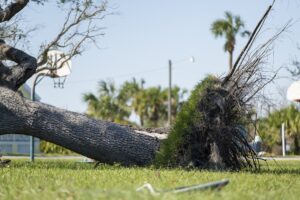
Severe weather events such as thunderstorms, high winds, ice storms, and heavy snowfall place enormous stress on trees. Even if a tree survives a storm, hidden damage may increase the risk of future failure.
Post-storm warning signs include:
- Broken or hanging limbs
- Split trunks or major branch unions
- Partially uprooted trees
- Large wounds where branches have torn away
Trees that have suffered storm damage are more likely to fail during subsequent weather events if not properly assessed and treated.
Trees Located Too Close to Structures or Utilities
A tree’s location plays a major role in determining whether it is dangerous. Even a healthy tree can pose a risk if it is too close to buildings or infrastructure.
High-risk locations include:
- Overhanging roofs, garages, or sheds
- Near power lines or utility poles
- Adjacent to sidewalks, driveways, or roads
As trees grow, branches and roots can interfere with structures, cause foundation issues, or increase the risk of impact if the tree fails. In these situations, removal may be the safest long-term solution.
Common Tree Defects and Associated Risks
| Tree Defect | Description | Risk Level |
| Dead branches | Non-living limbs prone to sudden failure | High |
| Trunk cavities | Hollow areas caused by decay | Moderate to High |
| Root decay | Loss of root strength and stability | High |
| Co-dominant stems | Weak branch unions with included bark | Moderate |
| Severe lean | Often indicates root system failure | High |
Why Professional Tree Assessment Is Essential
Professional arborists are trained to identify tree hazards that are not obvious to untrained observers. They use industry-standard assessment techniques, knowledge of Tree of life (biology), and experience with local conditions.
Benefits of professional evaluation include:
- Accurate identification of internal decay
- Assessment of tree stability and failure likelihood
- Recommendations based on safety and tree health
- Compliance with local regulations and safety standards
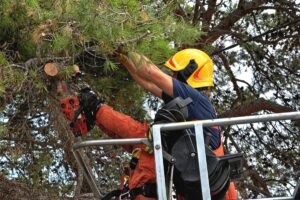
Attempting to assess or remove a dangerous tree without proper training and equipment can lead to serious injuries or extensive property damage.
When Tree Removal Is the Safest Option
Tree removal is typically recommended when:
- The tree is dead or dying
- Structural defects cannot be corrected
- Root damage is extensive or irreversible
- The tree poses an unacceptable risk to people or property
While pruning, cabling, or bracing can sometimes reduce risk, these solutions are not appropriate for severely compromised trees. In such cases, removal is the most reliable way to eliminate the hazard.
Environmental and Property Considerations
Responsible tree removal takes environmental impact into account. Professionals aim to preserve healthy trees whenever possible and recommend removal only when necessary.
Important considerations include:
- Protecting nearby plants and soil
- Addressing wildlife habitat concerns
- Stabilizing soil after removal
- Following local ordinances and permit requirements
Many property owners choose to replace removed trees with new plantings to maintain landscape value and environmental benefits.
Preventative Tree Care and Long-Term Safety
Regular maintenance is the best way to prevent trees from becoming dangerous.
Preventative care includes:
- Routine professional inspections
- Proper pruning techniques
- Avoiding root disturbance during construction
- Monitoring trees after severe weather
Healthy, well-maintained trees are far less likely to fail unexpectedly and typically have longer lifespans.
Frequently Asked Questions
How do I know if a tree on my property is dangerous?
A tree may be dangerous if it has dead branches, trunk cracks, root damage, or a sudden lean, especially near structures or walkways.
Can a healthy-looking tree still be unsafe?
Yes, internal decay or root failure can exist even when a tree appears healthy on the outside.
Is a leaning tree always a hazard?
A long-standing lean may be stable, but sudden leaning often indicates root failure and should be inspected immediately.
When should a tree be removed instead of trimmed?
Tree removal is recommended when structural defects or decay cannot be corrected through pruning or support systems.
Should I attempt to remove a dangerous tree myself?
No, removing dangerous trees requires professional equipment and expertise to avoid serious injury or property damage.
Conclusion
Determining whether a tree is dangerous requires more than a quick visual check. Experts at Springfield Tree Removal Pros understand that structural defects, root damage, disease, and environmental stress can all compromise a tree’s stability long before failure occurs. Ignoring warning signs such as dead branches, trunk cracks, sudden leaning, or storm damage can lead to serious safety risks and costly consequences.
Professional tree assessment and removal provide a proactive approach to protecting people, property, and surrounding landscapes. By understanding the signs of a dangerous tree and taking timely action, property owners can maintain a safe environment while preserving the long-term health and beauty of their outdoor spaces.