Trees play a valuable role in residential and commercial landscapes. They provide shade, improve air quality, increase property value, and create a beautiful outdoor environment. However, trees can also become hazardous if they are unhealthy, damaged, or structurally unstable. A tree that appears strong today may weaken over time due to disease, environmental stress, or storm damage.
When a tree becomes dangerous, it can pose serious risks to people, buildings, vehicles, and power lines. Falling branches or a collapsing tree can cause significant damage and expensive repairs. This is why property owners should always pay attention to warning signs that indicate a tree may need immediate removal.
Recognizing these signs early allows homeowners to take action before the situation becomes dangerous. Below are some of the most common indicators that a tree may need to be removed for safety reasons.
Major Warning Signs That a Tree Needs Immediate Removal
Dead or Dying Branches
One of the most obvious signs that a tree may be in trouble is the presence of dead or dying branches. Healthy trees typically have vibrant leaves and flexible branches. If large sections of the tree appear lifeless or dry, it may indicate that the tree is declining.
Dead branches are especially dangerous because they can fall without warning. Even a small wind gust can cause brittle branches to snap and drop to the ground. This can result in damage to roofs, cars, or nearby structures.
Common signs of dead branches include:
-
Branches without leaves during the growing season
-
Dry, brittle limbs that easily break
-
Sections of the canopy that appear bare
-
Frequent falling branches
If several large branches are dead, the entire tree may be dying and should be inspected by a professional.
Sudden or Severe Tree Leaning
Trees naturally grow in different shapes and angles, but a sudden lean can indicate a serious structural problem. If a tree that once stood straight begins to lean noticeably, it may be at risk of falling.
Leaning trees often indicate root damage or unstable soil conditions. Heavy storms, flooding, or construction activities can weaken the root system that supports the tree.
Warning signs of dangerous leaning include:
-
The tree leaning significantly to one side
-
Exposed roots on one side of the tree
-
Cracked or lifted soil around the base
-
Leaning that becomes worse over time
A severely leaning tree should be evaluated immediately because it could collapse unexpectedly.
Large Cracks in the Trunk
The trunk is the main support structure of a tree. When large cracks or splits appear, the tree’s stability may be compromised. Cracks often develop due to storm damage, strong winds, or internal decay.
A cracked trunk weakens the entire tree and increases the risk of sudden failure. Even if the tree still has leaves and appears healthy, structural damage may already be severe.
Some signs of trunk damage include:
-
Deep vertical cracks in the trunk
-
Splitting where the trunk divides into branches
-
Missing bark or exposed wood
-
Visible structural weakness
If the trunk shows severe damage, removal may be necessary to prevent the tree from breaking apart.
Hollow or Decaying Trunk
Many trees develop small cavities as they age. However, a large hollow area in the trunk can be a sign of serious internal decay. When the internal wood begins to rot, the tree becomes weaker and less able to support its weight.
Decay often spreads slowly and may not be immediately visible. Over time, the structural strength of the tree decreases, making it more likely to fall during strong winds or storms.
Signs of trunk decay include:
-
Large holes or cavities in the trunk
-
Mushrooms or fungi growing on the bark
-
Soft or crumbly wood
-
Swelling or unusual shapes on the trunk
Fungal growth at the base of a tree is particularly concerning because it often indicates internal rot.
Root System Damage
Tree roots are essential for stability and nutrient absorption. When roots become damaged, the entire tree may become unstable. Root damage can occur due to construction work, soil compaction, erosion, or disease.
Because roots are mostly underground, the damage may not always be visible. However, there are several warning signs that suggest root problems.
These include:
-
The tree suddenly leaning
-
Cracked or raised soil around the base
-
Poor leaf growth
-
Branch dieback in the upper canopy
A damaged root system may prevent the tree from standing securely, increasing the likelihood of collapse.
Signs of Disease or Pest Infestation
Tree diseases and insect infestations can weaken trees significantly. Over time, infected trees become brittle and unstable. If the condition worsens, removal may be the safest solution.
Several pests and diseases can damage trees, including bark beetles, termites, and fungal infections. These issues often spread quickly and may affect nearby trees as well.
Common signs of disease or pests include:
-
Discolored or spotted leaves
-
Premature leaf drop
-
Holes in the bark
-
Sawdust-like material near the base
-
Sticky residue on leaves or branches
If these symptoms appear throughout the tree, it may be suffering from severe internal damage.
Storm Damage
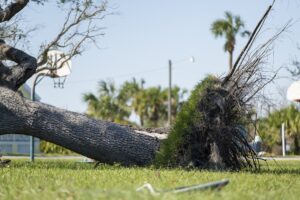
Severe weather can cause serious damage to trees. High winds, heavy rain, lightning, and snow can weaken branches or split the trunk. Sometimes the damage is obvious, but in other cases the tree may appear stable while internal damage exists.
After a storm, it is important to inspect trees carefully. Trees that have experienced significant structural damage may not survive long-term.
Signs of storm damage include:
-
Broken or hanging branches
-
Split tree trunks
-
Trees partially uprooted
-
Large cracks appearing after strong winds
Storm-damaged trees should be assessed by professionals to determine whether removal is necessary.
Trees Growing Too Close to Structures
Location is another important factor when determining whether a tree should be removed. Trees that grow too close to buildings, driveways, or power lines can become dangerous over time.
As the tree grows larger, its branches and roots may begin to interfere with nearby structures. This can lead to structural damage and safety hazards.
Some potential problems include:
-
Branches touching roofs or windows
-
Roots damaging foundations or sidewalks
-
Interference with electrical lines
-
Falling branches damaging vehicles or property
When a tree’s location creates ongoing risks, removal may be the most practical solution.
When to Call a Professional Tree Removal Service
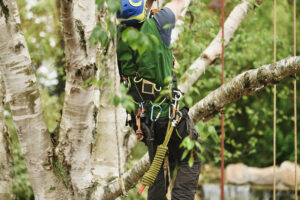
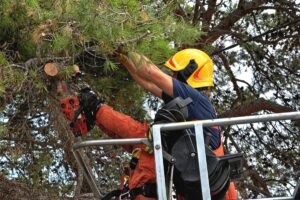
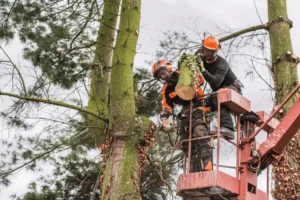
Tree removal is a complex and potentially dangerous task that should always be handled by trained professionals. Arborists and tree removal specialists have the experience, equipment, and safety procedures necessary to remove hazardous trees safely.
You should contact a professional if:
-
The tree is leaning dangerously
-
The trunk shows cracks or decay
-
Large branches frequently fall
-
The tree is located near buildings or power lines
-
The tree shows clear signs of disease or structural damage
A professional evaluation can determine whether the tree can be saved through pruning or treatment, or if removal is the safest option.
Maintaining Tree Safety Through Regular Inspections
Routine inspections are the best way to prevent tree-related hazards. By checking your trees regularly, you can identify potential problems early and take action before they become serious.
Simple maintenance practices include:
-
Inspecting trees after storms
-
Removing weak or dead branches
-
Monitoring for signs of pests or disease
-
Ensuring trees have adequate space to grow
-
Consulting an arborist for periodic evaluations
Proper care can extend the life of your trees while keeping your property safe.
Final Thoughts
Trees are valuable assets that enhance the beauty and comfort of any property. However, when a tree becomes damaged, diseased, or unstable, it can pose significant risks. Recognizing the early warning signs of a dangerous tree can help prevent accidents and costly property damage.
Dead branches, leaning trunks, structural cracks, root damage, and disease are all indicators that a tree may need immediate removal. Addressing these issues promptly ensures the safety of your home, family, and surrounding environment.
If you suspect that a tree on your property may be hazardous, it is always best to consult a professional tree removal service. Taking action early can prevent serious problems and help maintain a safe and healthy landscape for years to come.